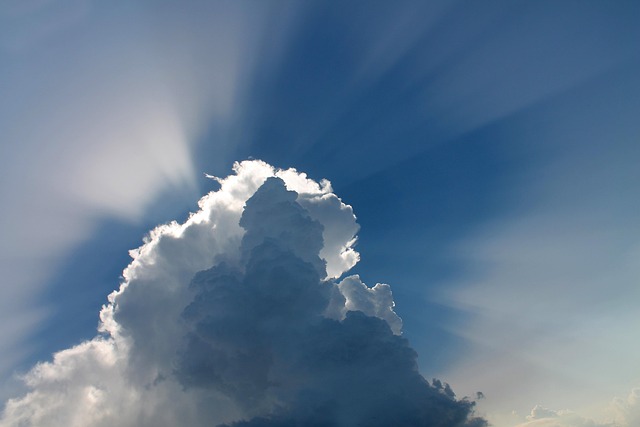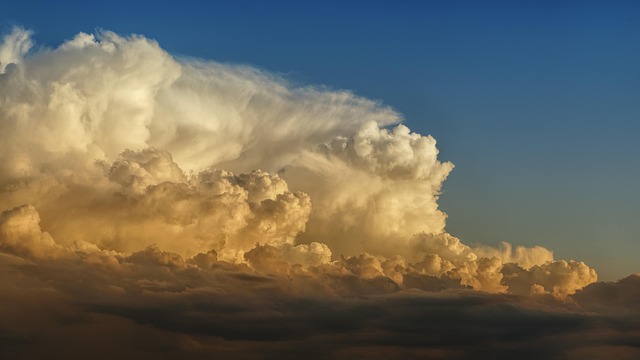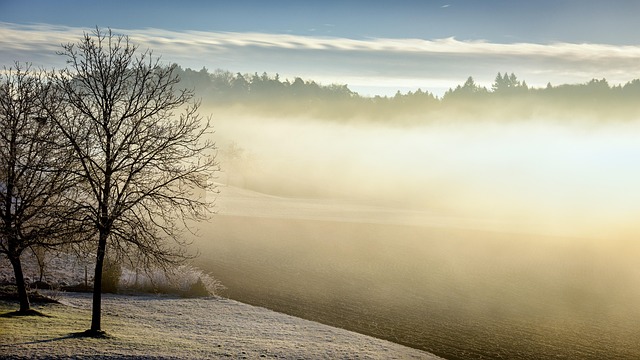
Building a home weather station offers an engaging way to understand meteorology fundamentals and local climate patterns. Essential tools include temperature, pressure, humidity, and wind speed gauges. Choose an unobstructed location with clear sky views for accurate data. Regularly calibrate and maintain equipment for reliable measurements. Analyze trends in temperature, humidity, and pressure to predict short-term and long-term weather changes. Understand seasonal variations and atmospheric conditions for more accurate weather tomorrow forecasts.
In an era where understanding our environment is key to shaping our future, many are seeking ways to connect with—and predict—the world around us. A simple weather station at home offers a profound opportunity to do just that. By harnessing readily available tools and resources, you can create a powerful tool to monitor local conditions, from temperature and humidity to wind speed and precipitation. Armed with this knowledge, whether you’re planning a picnic or simply curious about the forecast for tomorrow, your weather station becomes an invaluable asset in navigating our ever-changing climate.
- Choose Your Weather Monitoring Tools
- Set Up Your Station: Location and Equipment
- Gather Data: Temperature and Humidity
- Predicting Tomorrow's Weather: Basic Principles
- Calibrate and Maintain for Accurate Readings
Choose Your Weather Monitoring Tools
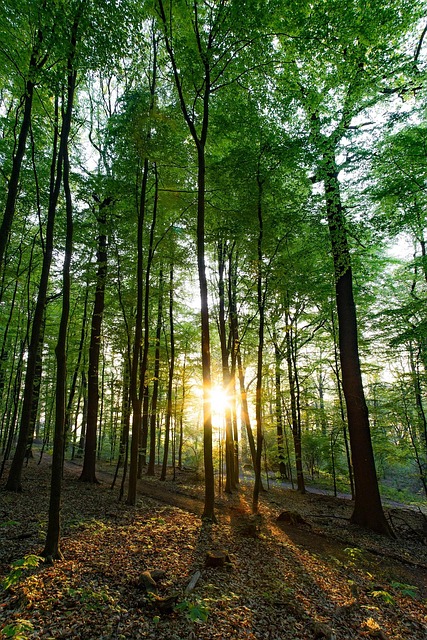
Creating a weather station at home is an engaging way to delve into meteo science basics and gain firsthand insights into local weather patterns 101. When choosing your weather monitoring tools, consider the key elements you want to track. For many enthusiasts, starting with a basic set of instruments provides a solid foundation for understanding both short-term weather tomorrow naturally and long-term climate trends.
At its core, any home weather station should include a thermometer for measuring temperature, a barometer for monitoring barometric pressure changes felt, and a hygrometer to track humidity levels. These tools are essential for observing microclimates within your specific location, which can vary significantly from the regional forecasts. For instance, morning fog might linger in certain areas, while others experience sunbreak after a brief drizzle—all part of the intricate weather patterns 101 that unfold daily.
Additionally, consider integrating a wind speed and direction gauge, such as an anemometer, to complete your set. This instrument offers valuable data on atmospheric conditions, especially during storms or when tropical cyclone formation is a concern—a topic we explore in-depth at Tropical Cyclone Formation (find us at). Understanding wind patterns can help you anticipate potential weather events and their impact on your area.
For the tech-savvy enthusiast, modern weather stations now offer wireless connectivity and smartphone apps for real-time data monitoring. These digital tools not only provide accurate readings but also allow for remote access and advanced analytics, enabling enthusiasts to contribute to global weather databases while enhancing their own weather knowledge.
Set Up Your Station: Location and Equipment
Choosing the right location for your weather station is crucial. Aim for an area with clear, unobstructed views of the sky to ensure accurate readings, free from obstructions like trees or tall buildings. A spot close to a window can offer consistent and reliable data, but be mindful of potential temperature variances compared to outdoor conditions. The ideal location balances accessibility and exposure to weather elements, allowing for an all-encompassing view of weather patterns, including cloud formations, wind direction, and precipitation.
Your station will require a variety of equipment to function effectively. A reliable anemometer for measuring wind speed is essential, giving us a call at Wind Speed Measurement for expert advice on selection. Consider a thermometer for temperature readings, a barometer for tracking atmospheric pressure, and a rain gauge to measure precipitation intensity. For more advanced data, you might incorporate a weather-related insurance claims analysis tool or even monitor tropical cyclone formation patterns in your region. Some stations offer integrated sensors that measure humidity, solar radiation, and other environmental factors, providing a comprehensive view of weather tomorrow naturally.
To set up your equipment, start by installing the anemometer at a height of around 10 feet (3 meters) above ground level, ensuring it’s securely fastened. Position the thermometer and barometer in close proximity for ease of data collection. Place the rain gauge in a level area where water can accumulate without spilling over the edge. Regular calibration and maintenance are vital to ensure accurate measurements; consider setting up a schedule for these tasks to keep your station running optimally. By carefully selecting a location and investing in quality equipment, you’ll be well on your way to creating a reliable home weather station that provides valuable insights into local climate conditions, including precipitation intensity, and helps prepare for potential weather-related events.
Gather Data: Temperature and Humidity
To create a simple weather station at home, one of the most crucial aspects is gathering data on temperature and humidity. This provides an accurate picture of current atmospheric conditions and helps in predicting weather tomorrow, naturally. Start by investing in reliable thermometers and hygrometers designed for indoor use. These tools should offer precise readings, enabling you to track temperature fluctuations and humidity levels over time. Consider placing them in strategic locations within your home for more comprehensive data collection.
In addition to these primary measurements, understanding the context of weather forecasting errors is essential. Cloudy days, for instance, can significantly impact reading accuracy due to reduced sunlight. Yet, these conditions also offer benefits—they allow for more consistent temperature readings and provide a buffer against the impacts of global warming. By analyzing data from both sunny and cloudy days, you gain a deeper understanding of your local climate patterns. This knowledge helps in interpreting weather forecasting errors and making more informed predictions.
As you gather data over time, look for trends that can help forecast future conditions. For example, sudden drops in temperature and humidity might indicate an impending cold front. Similarly, consistent high humidity levels could signal an approaching heat wave. By combining these observations with historical data, you can begin to predict local weather patterns more accurately. To enhance your insights, consider incorporating additional sensors for wind speed and atmospheric pressure, which also play vital roles in forecasting.
For detailed weather-related travel tips and expert advice on navigating various conditions, visit us at any time. Remember that creating a home weather station is not just about tracking the current weather; it’s about understanding the complex interplay of factors that shape our climate. Through continuous observation and analysis, you’ll be well-equipped to anticipate both short-term changes and long-term trends, ensuring your predictions remain as accurate as possible, even on days with unusual atmospheric conditions.
Predicting Tomorrow's Weather: Basic Principles

Predicting tomorrow’s weather is a fascinating art that combines observation, understanding of atmospheric phenomena, and a touch of intuition. While sophisticated weather models and digital forecasting tools are readily available, creating your own simple weather station at home can offer valuable insights into local weather patterns. This section delves into the basic principles behind weather prediction, guiding you to anticipate tomorrow’s conditions with increased accuracy.
One of the cornerstones of weather prediction is recognizing seasonal weather variations. Different times of the year bring distinct atmospheric characteristics, heavily influenced by the Earth’s tilt and solar radiation patterns. For instance, during summer, warmer temperatures lead to higher humidity levels, often resulting in more frequent thunderstorms. Conversely, winter skies tend to be clearer due to lower humidity, allowing for better sunlight penetration. By understanding these seasonal shifts, you can anticipate changes in weather patterns and adjust your predictions accordingly.
Rainfall intensity estimation is another crucial aspect. The amount of precipitation a region receives varies based on atmospheric instability, wind patterns, and topographical features. Simple tools like rain gauges can measure the accumulation of rainfall over time, providing valuable data for estimating future intensity. For instance, a rapid increase in gauge readings may indicate a heavy downpour approaching, while a steady or slow rise suggests lighter precipitation. Combining these observations with knowledge of cloudy sky formation – whether it’s a single layer or multiple levels, each indicating varying degrees of atmospheric moisture – can give you a clearer picture of impending weather conditions.
Barometric pressure changes play a vital role in weather prediction, as they are closely linked to air mass movement and stability. A sudden drop in barometric pressure often signals the arrival of a low-pressure system, typically associated with cloudy skies, strong winds, and potential rainfall. Conversely, a steady rise may indicate an approaching high-pressure system, usually bringing fair weather and clear skies. By monitoring these changes felt precisely through a home weather station’s barometer, you can gain valuable insights into the movement of atmospheric fronts, enhancing your ability to predict tomorrow’s weather with greater accuracy.
Calibrate and Maintain for Accurate Readings
Creating a functional weather station at home involves more than just gathering gadgets; it demands meticulous calibration and regular maintenance to ensure accurate readings, allowing you to predict with some precision what weather tomorrow might bring. The process begins with understanding the intricate relationship between atmospheric conditions and local climate patterns. For instance, tropical cyclone formation is not solely dependent on sea surface temperatures but also on atmospheric instability that can vary significantly across different climates, leading to evaporation rates as high as three times more in warmer regions compared to cooler ones.
Calibrating your weather station involves fine-tuning each sensor to ensure they provide consistent and reliable data. Start with the thermometer: place it in a sheltered yet representative location away from direct sunlight or other heat sources. The barometer, which measures atmospheric pressure, should be protected from drafts but exposed to the open air. Regularly compare its readings against established pressure levels for your region to ensure accuracy. Wind speed and direction correlation is another crucial aspect; position your anemometer in a clear area, ensuring it captures wind speeds accurately without interference from nearby structures or trees.
Maintenance plays a vital role in keeping your weather station reliable over time. Dust and debris can impact sensor accuracy, so regular cleaning is essential. Check for loose connections and replace batteries as needed to ensure continuous, accurate data collection. Moreover, consider the specific climate conditions in your area; for instance, if evaporation rates are higher due to atmospheric instability causing tropical cyclone formation, you may need to adjust frequency of data logging or even sensors to capture these nuances. By understanding the science behind weather patterns and consistently calibrating and maintaining your station, you can gain valuable insights into local climatic variations, enabling more informed predictions about weather tomorrow.
Finally, remember that finding us at wind speed and direction correlation is just one part of the process; it’s the collective data from all sensors, combined with an understanding of atmospheric instability and tropical cyclone formation, that truly empowers you to forecast weather patterns in your unique location.
By following the comprehensive guide outlined in this article, you now possess the knowledge to create a functional weather station at home, capable of providing valuable insights into your local climate. Through the strategic selection of monitoring tools, meticulous setup, consistent data gathering, and regular calibration, your station will offer accurate readings that predict weather patterns, including insights into what to expect for weather tomorrow. This hands-on approach not only enhances your understanding of meteorology but also empowers you to make informed decisions based on real-time environmental data. With these practical steps, you can transform your home into a valuable weather observation hub, contributing to both personal knowledge and broader community climate awareness.
About the Author