Reading weather maps is a skill to predict tomorrow's atmospheric conditions. Key elements include cloud types, temperature gradients, wind speed, and precipitation trends. Understanding these helps anticipate changes like storms and clear skies, aiding in safe outdoor planning. Combining map insights with global patterns enhances accuracy for better preparation.
Understanding how to read a weather map is an invaluable skill, especially when planning outdoor activities or simply anticipating the day ahead. Knowing the intricacies of a weather map allows us to make informed decisions, ensuring safety and comfort in tomorrow’s climate. This guide will demystify these visual tools, arming you with the knowledge to interpret temperature gradients, cloud patterns, and precipitation symbols accurately. By the end, you’ll be confident in navigating the forecast for weather tomorrow, enabling you to embrace or prepare for whatever Mother Nature brings.
- Decoding Symbols: Understand Weather Map Notations
- Analyzing Layers: Read Temperature & Precipitation Trends
- Forecasting Tomorrow: Interpreting Weather Patterns
Decoding Symbols: Understand Weather Map Notations

Reading a weather map requires an understanding of the unique symbols and notations used to convey complex atmospheric information. When deciphering forecasts for tomorrow, pay close attention to cloud cover representations, temperature gradients, and wind speed indicators. Cloud types are often depicted using simple icons, with cumulus clouds indicating fair weather, while stratus clouds suggest overcast conditions ideal for indoor activities or planning outdoor adventures in stormy weather.
Temperature variations across a map are typically shown through color codes, with warm hues representing higher readings and cool tones indicating lower values. These notations help predict the benefits of clear skies, such as comfortable night-time temperatures, essential for outdoor gatherings or camping trips during the warmer months. Wind speed measurement is another crucial aspect, usually symbolized by arrows pointing in specific directions. The length and thickness of these arrows indicate velocity, guiding users on whether to anticipate calm breezes or strong gusts that could impact activities like sailing or paragliding.
By decoding these symbols, you gain valuable insights into tomorrow’s weather conditions. For instance, a map might reveal a band of low-pressure systems moving across the landscape, suggesting a transition from clear skies to sporadic showers. This knowledge empowers individuals to make informed decisions about outdoor activities, ensuring safety and enjoyment. Consider planning a hike in regions with moderate wind speeds, taking advantage of the crisp air while minimizing the risk of extreme weather interruptions.
For an enhanced understanding, visit us at the Weather Maps Reading Guide, where you can explore detailed analyses and interactive tools tailored to refining your weather map interpretation skills. This resource provides practical tips for navigating various weather patterns, ensuring that tomorrow’s forecast is not just a prediction but a valuable tool for optimizing your outdoor experiences.
Analyzing Layers: Read Temperature & Precipitation Trends

Reading a weather map requires understanding how to decipher intricate details for accurate predictions of tomorrow’s climate. One crucial aspect is analyzing temperature and precipitation trends, which offer insights into global climate patterns and seasonal weather variations. These layers provide a comprehensive view of where warmth or cold, and wet or dry conditions are likely to be most prevalent.
Temperature anomalies often indicate the movement of air masses, with warm fronts typically bringing humid air from the south while cold fronts push drier, cooler air from the north. By identifying these boundaries, you can anticipate areas prone to more significant temperature swings throughout the day. Precipitation types vary widely, ranging from light mist to heavy downpours, each classified based on drop size and intensity. This classification helps meteorologists predict the potential for severe weather events like thunderstorms or snowstorms. For instance, a map might show isolated shower activity over mountainous regions, indicating localized moisture buildup due to orographic effects.
To fully comprehend tomorrow’s weather, pay close attention to color-coded temperature gradients and precipitation shadows on the map. These visual cues reveal the movement of atmospheric systems and help identify areas likely to experience more stable conditions versus those prone to rapid changes. Remember that global climate patterns play a significant role in seasonal variations, so consider long-term trends alongside immediate forecasts. By combining these insights, you gain valuable knowledge about the potential weather tomorrow, enabling better preparation for any anticipated conditions. If further assistance is needed, give us a call at the Weather Maps Reading Guide for expert guidance tailored to your specific queries.
Forecasting Tomorrow: Interpreting Weather Patterns

Reading a weather map is an art that allows you to predict and prepare for tomorrow’s atmospheric conditions. When analyzing such maps, one must focus on recognizing various weather patterns and their potential impacts. The key lies in understanding storm cloud identification and the causes of atmospheric instability—two critical elements in forecasting weather tomorrow.
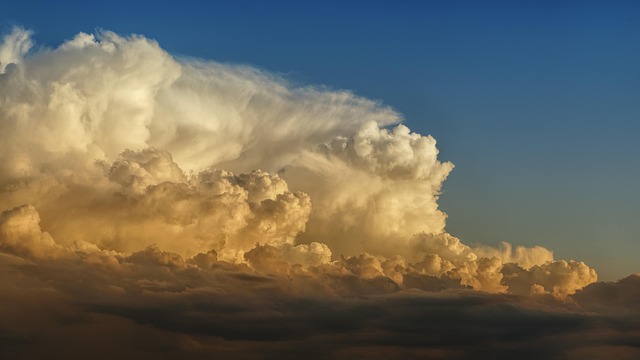
Storm clouds, indicated by their dark, cumulonimbus shapes, often signal impending thunderstorms. These clouds can be easily identified due to their distinct vertical growth and base darkness. Atmospheric instability, on the other hand, is a key factor influencing weather changes. It occurs when warm, moist air rises rapidly, leading to cloud formation and potential storms. This phenomenon can be caused by various factors such as front movements or terrain interactions. By recognizing these patterns, you gain valuable insights into tomorrow’s weather.
Clear skies, in contrast, offer benefits that are often overlooked. They indicate stable atmospheric conditions, allowing for better heat retention at night and potentially leading to warmer days. Moreover, clear skies facilitate more accurate satellite observations, enhancing our ability to predict future weather patterns. For instance, data from recent years shows that regions with consistent clear skies experience more predictable seasonal changes.
To enhance your understanding, consider visiting us at climate change adaptation. Here, you’ll find resources and insights into navigating tomorrow’s—and today’s—atmospheric challenges. By combining practical knowledge of storm cloud identification and atmospheric instability causes, you can interpret weather maps more effectively. This expertise enables you to anticipate weather changes, ensuring a proactive approach to whatever tomorrow brings.
By decoding weather map symbols, analyzing temperature and precipitation trends, and interpreting tomorrow’s weather patterns, you gain crucial insights to anticipate the forecast. This article has equipped you with the knowledge to navigate and understand these maps effectively, enabling you to make informed decisions based on reliable data. For weather tomorrow, remember to look beyond the surface; analyze the layers of information presented, and you’ll be well-prepared for what lies ahead.
About the Author