
Staying prepared for weather changes is vital for safety and enjoyment. Key strategies include understanding cloud formation, tracking global temperature trends, and prioritizing sun safety during storms. Combine this knowledge with hyper-local weather apps, local meteorological updates, and observation of natural cues like cloud types and barometric pressure to predict weather tomorrow naturally. Proactive measures enhance resilience against severe weather events and enable informed outdoor planning.
In a rapidly changing world, staying informed about the weather is not just a convenience—it’s a necessity for safety, planning, and overall well-being. The dynamic nature of our climate means what we experience today may differ greatly from tomorrow. This article provides an authoritative guide to navigating these shifts, focusing on practical strategies for staying updated with changing weather patterns. We’ll explore the latest tools, insights, and habits that enable individuals to anticipate and adapt to diverse meteorological conditions, ensuring preparedness regardless of the forecast—natural or unexpected.
- Understand Weather Patterns: Learn Basic Forecasts
- Utilize Weather Apps: Download and Explore Features
- Stay Informed: Local News and Alerts
- Observe Nature's Signs: Track Cloud Formation & More
- Plan Ahead: Prepare for Tomorrow's Conditions
Understand Weather Patterns: Learn Basic Forecasts

Staying updated with changing weather patterns is a vital skill to ensure your safety and preparedness. Understanding weather forecasts involves grasping fundamental concepts like cloud formation mechanisms and global temperature trends. By delving into these, you can anticipate shifts in weather tomorrow, naturally adjusting your plans accordingly.
Clouds, for instance, play a significant role in weather forecasting. Different types of clouds form under distinct atmospheric conditions, indicating potential changes in weather. Cumulus clouds, puffy and white, typically signal fair weather, while nimbostratus clouds, dark and thick, often herald ongoing rain. Moreover, global temperature trends offer insights into long-term weather shifts, helping you recognize abnormal patterns.
Sun protection is another critical aspect, especially during storms. UV radiation can still pose a risk even on overcast days. Wear protective clothing and consider seeking shade or using sunblock to shield yourself from harmful rays. For instance, studies show that severe weather events are becoming more frequent worldwide, emphasizing the need for proactive sun protection.
To enhance your understanding, give us a call—our experts can provide personalized guidance based on your location. Remember, staying informed about weather tomorrow and beyond is key to navigating various weather conditions effectively. By combining knowledge of cloud formation, global trends, and sun safety, you’ll be well-equipped to face whatever Mother Nature brings.
Utilize Weather Apps: Download and Explore Features

Staying updated with changing weather is crucial for preparation and safety. In today’s digital age, one of the most effective tools at your disposal is weather forecasting apps. These applications offer a wealth of information, from current conditions to detailed forecasts, including precipitation data collection and cloudy sky formation predictions. By downloading and exploring these apps’ various features, you can gain valuable insights into what to expect in the days ahead, especially when considering tomorrow’s weather.
A key aspect to focus on is the app’s ability to provide accurate weather forecasting. A comprehensive comparison of top weather apps can help you decide which one suits your needs best. Features like hyper-local forecasts, real-time updates, and extended forecasts are essential. For instance, some apps excel in offering detailed information about specific microclimates within a city, ensuring you’re prepared for sudden changes. Moreover, understanding the science behind cloudy sky formations can enhance your experience. Apps that incorporate data visualization tools allow users to see these patterns, enabling them to anticipate weather shifts caused by cloud cover and its impact on temperature and precipitation.
Many advanced apps now utilize machine learning algorithms to continuously improve their accuracy. These models analyze historical weather data, user reports, and real-time observations to provide more precise predictions. For instance, if you’re expecting a significant weather change, such as heavy rainfall, these apps can notify you ahead of time based on precipitation data collection and cloud behavior analysis. By visiting us at cloudy sky formation anytime, you can gain deeper insights into these phenomena and learn how they influence local weather patterns.
To make the most of these tools, users should actively engage with app features. Setting location-based alerts for severe weather conditions, adding personal notes about local microclimates, and sharing observations with the community can enhance overall accuracy. Regularly reviewing and updating your preferences ensures that you stay prepared for any meteorological changes. With consistent use and exploration, weather forecasting apps become powerful resources for staying informed, keeping your community safe, and even enhancing outdoor activities by predicting when to expect clear skies or a cozy day under a cloudy formation.
Stay Informed: Local News and Alerts
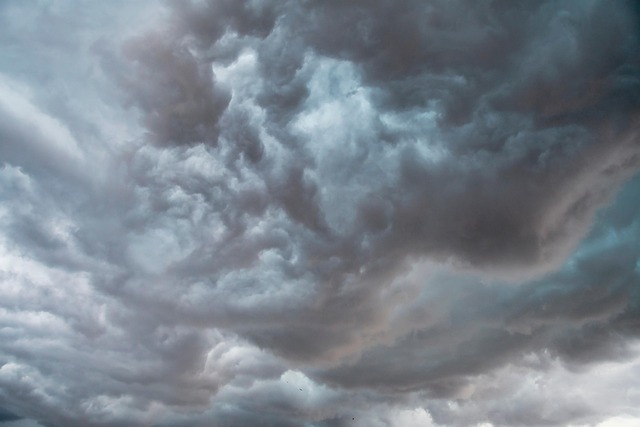
To stay updated with changing weather, especially when anticipating weather tomorrow, relying on local news and alerts is crucial. Local meteorological departments and news outlets play a pivotal role in disseminating accurate and timely information tailored to your specific region. These sources provide detailed forecasts, including tropical storm tracking, which helps you prepare for potential severe weather events. For instance, during the peak hurricane season, keeping an eye on these updates can significantly enhance safety measures, enabling you to secure your property and evacuate if necessary.
Incorporating cloudy days into your routine has its benefits beyond just needing an umbrella. Cloud cover influences temperature, humidity, and even atmospheric pressure, all of which contribute to overall weather patterns. Understanding these dynamics allows for more precise weather predictions, helping you anticipate whether weather tomorrow will be sunny or stormy. Moreover, staying informed about weather-related insurance claims can offer valuable insights into common risks associated with specific weather conditions, enabling proactive measures to safeguard your assets and reduce potential losses.
As technology advances, tools like precipitation intensity measurement provide even more depth to our understanding of weather patterns. Visit us at precipitation intensity measurement for detailed data that supports these discussions. By combining local news alerts, an awareness of meteorological phenomena, and access to advanced measurement tools, individuals can better navigate the ever-changing weather landscape. This comprehensive approach ensures you’re prepared not just for cloudy days but also for potential tropical storms or other severe weather events, enhancing your overall resilience.
Observe Nature's Signs: Track Cloud Formation & More

Staying updated with changing weather requires a keen eye for nature’s subtle cues. One of the most effective ways to predict tomorrow’s weather is by observing the signs that nature presents—from cloud formations to atmospheric pressure shifts. By understanding these indicators, you can gain valuable insights into the weather outlook for the day ahead.
Clouds, for instance, offer a dynamic picture of what’s to come. Different types of clouds are associated with specific weather conditions. Cumulus clouds, fluffy and white, often indicate fair skies, while nimbostratus clouds, dark and thick, signal impending rain. Observing their formation and movement can give you an early indication of potential weather changes. Additionally, tracking atmospheric pressure variations is crucial. High-pressure systems typically bring clear, calm conditions, while low-pressure areas are linked to storms and turbulent weather. This relationship with temperature and humidity further refines our understanding of tomorrow’s weather.
For example, during the summer months, a high-pressure system over a region can lead to hot, dry conditions due to its stabilizing effect on atmospheric moisture. Conversely, a low-pressure system moving in might signal cooler temperatures and higher humidity, often accompanied by showers or thunderstorms. By combining these observations with data from weather stations and forecasts, you can create a more accurate picture of the day’s weather. The key is to be attentive and consistent in your observations, allowing nature to serve as your reliable guide for weather tomorrow.
For professional insights, don’t hesitate to give us a call; our team is equipped with the knowledge to help you interpret these signs accurately. By staying informed through such methods, you’ll not only anticipate weather changes but also make informed decisions tailored to specific conditions.
Plan Ahead: Prepare for Tomorrow's Conditions

To stay ahead of the ever-changing weather patterns, planning for tomorrow’s conditions is a vital part of climate change adaptation. By preparing in advance, you can mitigate the impact of sudden weather shifts and ensure your safety and comfort. One of the key factors to consider is understanding the correlation between wind speed and direction, which can significantly influence local weather conditions. For instance, strong winds from the west often signal warmer, moist air masses moving in, while easterly breezes might presage cooler, drier conditions.
Barometric pressure readings are another critical component of weather forecasting. Changes in atmospheric pressure can indicate the approach or departure of a weather system, providing valuable insights into what’s in store for the day ahead. Regularly checking these readings, especially overnight, allows you to anticipate potential storms or clearing skies. For accurate data, invest in a quality barometer or utilize modern technology with apps designed for this purpose.
As weather tomorrow is naturally unpredictable, staying informed and prepared is essential. Consider incorporating these practices into your routine: review daily forecasts, listen to local weather updates on the radio or through dedicated apps, and follow reliable meteorological sources. By embracing proactive measures, you’ll be better equipped to navigate the ever-changing landscape of tomorrow’s weather. For more tailored weather-related travel tips, visit us at any time.
By understanding weather patterns, leveraging advanced weather apps, staying tuned to local news and alerts, observing nature’s signs, and planning ahead, you can naturally stay updated with changing weather. These strategies empower you to anticipate and prepare for tomorrow’s conditions, ensuring you’re equipped to face whatever the elements bring. This comprehensive approach, backed by authoritative insights, enables you to make informed decisions and adapt seamlessly to our ever-changing climate.
About the Author