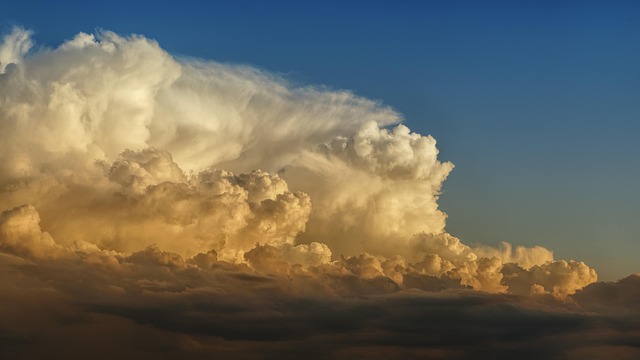
Advanced weather forecasting relies on integrated data from satellites, radar, ground sensors, buoys, and balloons. Historical analysis enables trend identification and accurate prediction of weather tomorrow. Meteorologists use sophisticated models and pattern recognition to analyze atmospheric conditions like pressure, temperature, humidity, wind speed, and cloud formations, ensuring precise long-term forecasts and timely warnings for severe weather events. Continuous research and cross-referencing data sources improve forecast accuracy over time.
Accurate weather forecasts are paramount for professionals across sectors, from agriculture to aviation. Yet, predicting tomorrow’s weather with precision remains a complex challenge. Unpredictable atmospheric variations, data limitations, and the inherent chaos of systems drive this difficulty. Today, however, professionals leverage cutting-edge tools that harness advanced analytics, sophisticated modeling, and real-time data integration to enhance forecast accuracy. These tools, combined with expertise, enable us to better understand and predict weather patterns, including natural variability, ensuring more reliable insights for planning and decision-making, whether it’s for tomorrow or further into the future.
- Data Collection: Sources for Accurate Weather Information
- Model Interpretation: Deciphering Forecasts for Tomorrow
- Validation and Refinement: Ensuring Weather Predictions' Reliability
Data Collection: Sources for Accurate Weather Information

Weather forecasting has evolved significantly, driven by advancements in data collection methods and technological capabilities. Professionals rely on a multifaceted approach to gather accurate weather information, ensuring forecasts like weather tomorrow are reliable. One of the primary tools is remote sensing technologies, such as satellites and radar systems, which provide real-time observations of cloud formation mechanisms, atmospheric conditions, and precipitation types. For instance, satellite imagery offers a global perspective, enabling meteorologists to track large-scale weather patterns and identify storm systems forming across continents.
Ground-based sensors also play a crucial role in data collection. Weather stations strategically placed in diverse geographical locations capture localised data on temperature, humidity, pressure, and wind speed. These measurements are vital for understanding the microclimates within regions and enhancing forecast accuracy. Additionally, buoys and atmospheric balloons provide valuable insights into ocean and upper-air conditions, respectively, contributing to a more comprehensive view of weather patterns.
The analysis of historical weather data is another key component. Long-term records allow professionals to identify trends, correlations, and typical weather behaviours for specific regions. This historical context aids in predicting future conditions and classifying precipitation types accurately. For instance, understanding the wind chill factor involves studying temperature drops in past cold snaps to provide accurate forecasts during potential winter storms. By combining these diverse data sources, meteorologists can construct detailed models, giving us a call at tomorrow’s weather outlook with confidence.
Model Interpretation: Deciphering Forecasts for Tomorrow

Professionals in weather forecasting have at their disposal a suite of sophisticated tools to interpret data and make accurate predictions about tomorrow’s weather. At the heart of this process lies a deep understanding of complex models that analyze everything from atmospheric pressure and temperature gradients to cloud formation mechanisms. For instance, meteorologists employ advanced numerical models that simulate the Earth’s atmosphere, factoring in variables such as humidity, wind speed, and solar radiation to project future conditions. These models are continually refined through ongoing research and real-world data collection, ensuring their accuracy over time.
One crucial aspect of model interpretation is recognizing patterns within vast datasets. By deciphering these patterns, forecasters can predict the likelihood of specific weather events, such as thunderstorms, with remarkable precision. For example, they might observe a correlation between certain barometric pressure readings and the formation of storm clouds, enabling them to issue timely warnings for severe weather conditions. This knowledge is invaluable for weather-related travel tips, ensuring folks are prepared when venturing out during unpredictable periods.
Moreover, understanding cloud formations is a game-changer in tomorrow’s forecast. Different types of clouds, from cumulus to nimbostratus, indicate varying atmospheric stability and precipitation potential. By studying these visual cues, meteorologists can anticipate changes in weather patterns, whether it’s a sunny day turning into a thunderstorm or the arrival of a cool front bringing much-needed relief. For instance, the formation of high-based clouds can suggest an approaching warm front, signaling potential for severe weather conditions, including hail and strong winds. This deep interpretation allows professionals to provide not only immediate forecasts but also long-term predictions, helping communities prepare for both short-lived storms and seasonal changes.
To gain a deeper understanding of these mechanisms, visit us at [Brand/Organization] where we offer resources on how to interpret weather data, ensuring everyone can stay informed about tomorrow’s forecast, indoors or out, including essential thunderstorm safety tips for peace of mind during unpredictable conditions.
Validation and Refinement: Ensuring Weather Predictions' Reliability

Professionals in meteorology rely on a sophisticated combination of tools and techniques to validate and refine weather predictions, ensuring their reliability for tomorrow and beyond. The process involves meticulous analysis of meteorological data, examining patterns from cold fronts to warm fronts to decipher complex atmospheric behavior. Advanced forecasting models integrate historical trends with real-time observations, allowing experts to fine-tune their projections with remarkable accuracy.
One critical aspect is cross-referencing data from multiple sources. Satellite imagery, radar systems, and ground stations each contribute unique insights into weather patterns. By comparing and contrasting these data sets, meteorologists can identify discrepancies, validate predictions, and refine models accordingly. For instance, observing the movement of a cold front in relation to warm air masses helps in forecasting severe weather events like storms or tornadoes with higher precision.
Furthermore, continuous learning from past forecasts plays a pivotal role. Analyzing the success or failure of previous predictions enables meteorologists to adjust their techniques and stay attuned to nature’s nuances. This iterative process is akin to fine-tuning an instrument—each adjustment brings the forecast closer to harmony with actual weather conditions. For those interested in delving deeper, visiting us at wind chill factor understanding anytime offers valuable resources for exploring these concepts further.
Through rigorous data collection from diverse sources, accurate weather forecasts for weather tomorrow can be effectively interpreted. Deciphering these models requires a nuanced understanding of complex algorithms and their underlying principles. Continuous validation and refinement are paramount to ensuring the reliability and precision of predictions, as even the best tools are not infallible. By integrating these key insights, professionals can enhance forecast accuracy, empowering informed decision-making in various sectors, from agriculture to urban planning. This article has provided a comprehensive roadmap for navigating and leveraging cutting-edge tools to predict weather tomorrow with greater certainty.
About the Author