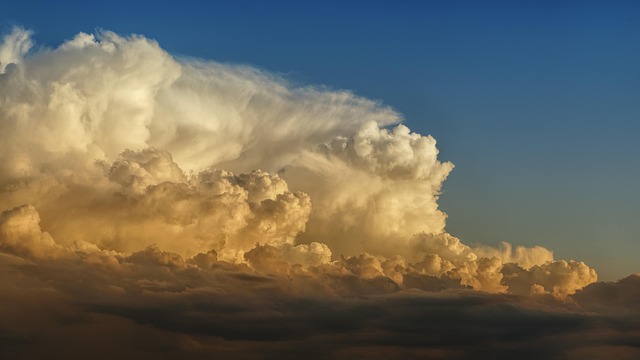
Reading weather maps is crucial for predicting tomorrow's weather, from temperature and humidity to storms and wind patterns. By understanding atmospheric conditions, tracking real-time data, and interpreting cloud cover, individuals can optimize daily plans based on accurate forecasts. Advanced technology enhances predictions, enabling safer, more enjoyable outdoor experiences aligned with the natural variations of weather tomorrow.
Understanding how to read a weather map is an invaluable skill, especially when planning activities for the upcoming day. Forecasting the weather tomorrow involves deciphering intricate symbols and colors, allowing you to anticipate conditions from temperature ranges to precipitation patterns. This guide aims to demystify weather maps, empowering you with knowledge to make informed decisions based on accurate data. By navigating through the visual language of meteorology, you’ll gain confidence in interpreting tomorrow’s forecast, ensuring your plans are prepared for whatever the sky may bring.
- Understanding Weather Map Symbols: A Key to Tomorrow's Forecast
- Interpreting Temperature & Humidity: Preparing for Weather Tomorrow
- Tracking Storms and Fronts: Anticipating Severe Weather Conditions for Tomorrow
- Analyzing Wind Patterns: Optimizing Your Plans Based on Tomorrow's Weather
Understanding Weather Map Symbols: A Key to Tomorrow's Forecast

Reading a weather map is an essential skill to understand tomorrow’s forecast accurately. At its core, a weather map utilizes various symbols to represent different atmospheric conditions. These symbols are like a language that, once deciphered, reveal insights into temperature, humidity, wind patterns, and precipitation. By understanding these indicators, you can anticipate weather tomorrow with remarkable precision.
Weather patterns 101 involve the interaction of air masses, fronts, and pressure systems. Cloudy days, for instance, are often signs of stable atmospheric conditions where moist air is trapped beneath a cap of high-pressure systems. Conversely, clear skies usually indicate low pressure and potential weather modification methods like frontal passages. By observing cloud cover patterns, you can gain valuable information about the stability and movement of air masses, crucial for predicting future weather conditions.
Meteorologists employ sophisticated technology to track these patterns and make accurate forecasts. Advanced meteorological tools, such as satellite imagery and radar systems, provide real-time data on atmospheric conditions. For example, cloud formations visible on satellite imagery can help predict precipitation within hours. These advancements in meteo technology have revolutionized weather forecasting accuracy, allowing us to plan our daily activities more effectively.
Moreover, understanding how to interpret cloudy days benefits your overall well-being. On gloomy but stable days, you might enjoy indoor hobbies or indulge in cozy outings. Conversely, if weather tomorrow shows signs of clearing, it’s an excellent opportunity for outdoor activities like hiking or a leisurely walk. By embracing these nuances, you can enhance your quality of life and find joy even in seemingly mundane weather patterns.
Interpreting Temperature & Humidity: Preparing for Weather Tomorrow

Reading a weather map is an essential skill for anyone planning activities or travels based on tomorrow’s forecast. When analyzing temperature and humidity, pay close attention to the intricate details depicted on the map. Warmer hues typically indicate higher temperatures, while cooler tones suggest the opposite; humidity levels are often represented by varying shades of green and blue. For instance, a predominantly yellow-hued area might predictably offer a warm, dry tomorrow, ideal for outdoor adventures without rain. Conversely, patches of deep blue could signal high humidity, prompting adjustments in plans to accommodate stickier conditions.
Local climate zones play a significant role in interpreting these data points. A quick glance at the map can help identify microclimates within your region, where temperature and precipitation patterns might differ significantly over short distances. Coastal areas, for example, often experience cooler temperatures and higher humidity due to sea breezes, while inland regions can enjoy warmer, drier air. Understanding these variations is crucial when planning outdoor events or travel routes, especially in countries with diverse landscapes.
The precipitation forecast is another critical aspect. Weather maps typically use symbols or patterns to represent rain, snow, or hail. Look for specific icons or colors to determine the type and intensity of expected rainfall. If a map shows a low-pressure system approaching, it’s likely to bring widespread rain; this knowledge can help you prepare accordingly, whether packing an umbrella or choosing suitable weather-resistant gear for outdoor activities. For those planning travel, give us a call at [atmospheric pressure explanation], as it can impact journey timing and road conditions.
When preparing for tomorrow’s weather, consider these insights and stay informed through reliable sources. Keep in mind that while maps offer valuable data, local climate zones and atmospheric phenomena can introduce nuances. By understanding these elements, you’ll be better equipped to adapt your plans, ensuring a more enjoyable experience regardless of the forecast.
Tracking Storms and Fronts: Anticipating Severe Weather Conditions for Tomorrow

Tracking storms and fronts is a crucial aspect of predicting severe weather conditions for tomorrow. Meteorological research methods have evolved to provide us with detailed insights into atmospheric patterns. By analyzing barometric pressure readings and global temperature trends, meteorologists can identify areas prone to intense weather events. For instance, a sharp drop in barometric pressure often signals the approach of a storm front, indicating potential heavy rainfall or thunderstorms.
Global temperature anomalies, when compared to historical data, offer valuable clues about atmospheric instability. Areas experiencing above-average temperatures can foster conditions conducive to severe storms, including supercell thunderstorms and tornadoes. Advanced weather models incorporate these data points to forecast with remarkable accuracy. For example, the Global Forecast System (GFS) model uses sophisticated algorithms to simulate the atmosphere’s behavior, enabling precise predictions of storm tracks and intensity.
Practical insights for tomorrow’s weather are readily available through reliable sources. Stay informed by consulting official weather services and apps that utilize these meteorological research methods. To enhance your understanding, track local humidity levels and comfort indices—visiting us at [website/app] anytime provides real-time data to complement your observations. By combining scientific knowledge with timely updates, you’ll be better equipped to anticipate and prepare for tomorrow’s weather conditions, ensuring safety and peace of mind.
Analyzing Wind Patterns: Optimizing Your Plans Based on Tomorrow's Weather

Reading a weather map requires more than glancing at colors and symbols; it’s about deciphering a forecast tailored to your needs, especially when planning outdoor activities for tomorrow. Wind patterns play a pivotal role in shaping the day ahead. Understanding these dynamics allows you to optimize your plans and stay prepared for varying conditions.
Analyzing wind on a map involves recognizing not just speed and direction but also atmospheric instability that can significantly impact feel-like temperatures, known as the heat index. This is crucial when considering activities like hiking or outdoor sports. For instance, a windy, unstable atmosphere can elevate the heat index beyond comfortable levels even on relatively mild days. Forecasting tools and techniques have advanced to accurately predict such conditions, providing valuable insights for safety and enjoyment.
Weather tomorrow naturally varies based on these factors. By examining wind speed and direction, you gain critical information about potential hazards or beneficial conditions. For instance, a map might show gusty winds from the west, indicating possible fire risks in dry areas or challenging conditions for outdoor events. Conversely, an easterly breeze could signal pleasant weather for morning jogs or picnics. Utilizing these insights alongside heat index calculations empowers informed decision-making, ensuring your plans align with tomorrow’s actual weather.
For detailed weather-related travel tips and more, find us online where we delve into specific regions and activities to help you navigate the elements effectively. By staying abreast of forecasting advancements, you can make the most of tomorrow’s forecast, whether it brings breezy comfort or challenging conditions.
By decoding weather map symbols, understanding temperature and humidity readings, tracking storms and fronts, and analyzing wind patterns, you gain invaluable insights into weather tomorrow. These key aspects empower you to anticipate severe conditions and optimize your plans accordingly. Armed with this knowledge, you can prepare for potential challenges and take advantage of favorable weather. Trust in the authority of these insights to guide your decisions and ensure a proactive approach to tomorrow’s forecast.
About the Author