To predict and prepare for weather tomorrow, analyze atmospheric instability and temperature-humidity relationships, using data from weather stations, radar, and satellite imagery. Consider local climate zones, elevation, microclimates, and recent meteorological technology advancements. Carry an umbrella in uncertain conditions to stay dry and avoid health issues associated with wetness, ensuring enjoyment of outdoor plans despite unexpected rain.
Determining when to deploy an umbrella is a daily dilemma, particularly as we navigate unpredictable weather patterns. Understanding the optimal times to utilize this accessory is not merely a trivial matter; it’s about enhancing our preparedness and ensuring comfort during sudden downpours. This article provides authoritative guidance on recognizing the signs that tomorrow’s weather will necessitate an umbrella, offering practical insights based on atmospheric conditions and forecast data. By the end, readers will possess the knowledge to make informed decisions, staying dry and stylish regardless of the elements.
- Understanding Weather Patterns: Tomorrow's Forecast
- When Rain is Imminent: Signs to Carry an Umbrella
- Navigating Your Umbrellal Needs: A Practical Guide
Understanding Weather Patterns: Tomorrow's Forecast

Understanding the weather patterns is crucial when deciding whether to carry an umbrella the following day. The forecast for tomorrow’s weather will play a pivotal role in your planning. By analyzing atmospheric instability causes and the intricate temperature and humidity relationship, you can make an informed choice about your rainfall protection.
Tomorrow’s weather patterns 101 involve the interplay of various elements. Atmospheric instability is a key factor; this occurs when the air near the surface is warmer than the air aloft, leading to convective activity and potential showers or thunderstorms. The temperature humidity relationship also comes into play here; higher humidity levels contribute to atmospheric instability as it provides more energy for clouds to form and grow. In regions where warm, moist air meets a cooler front, this effect can intensify, resulting in heavier rainfall.
For instance, let’s consider a typical scenario during the spring season. Warmer ocean temperatures merge with cooler land masses, creating a perfect storm (pun intended) of atmospheric instability. This often leads to unpredictable weather patterns, including sudden downpours and strong winds. In such cases, an umbrella becomes not just a fashion accessory but an essential tool for staying dry. Conversely, if the forecast predicts clear skies and low humidity, carrying an umbrella would be an unnecessary burden.
When making your decision, stay tuned to reliable weather updates that provide detailed insights into these atmospheric conditions. Remember, the accuracy of forecasts has improved significantly over time, thanks to advanced technology and data analysis. For instance, modern weather models can predict atmospheric instability with remarkable precision, allowing you to prepare accordingly. If the predictions indicate a high chance of rain, give us a call at outdoor activities in stormy weather for expert advice tailored to your needs.
When Rain is Imminent: Signs to Carry an Umbrella
When planning your day tomorrow, considering whether to carry an umbrella is a crucial decision, especially when rain is imminent. Understanding the signs of impending precipitation is key to staying dry and comfortable. Meteorologists rely on a comprehensive analysis of meteorological data, including temperature, humidity, atmospheric pressure, and wind patterns, to predict weather conditions accurately. By examining precipitation data collection from various sources, such as weather stations, radar systems, and satellite imagery, experts can identify trends and issues critical forecasts.
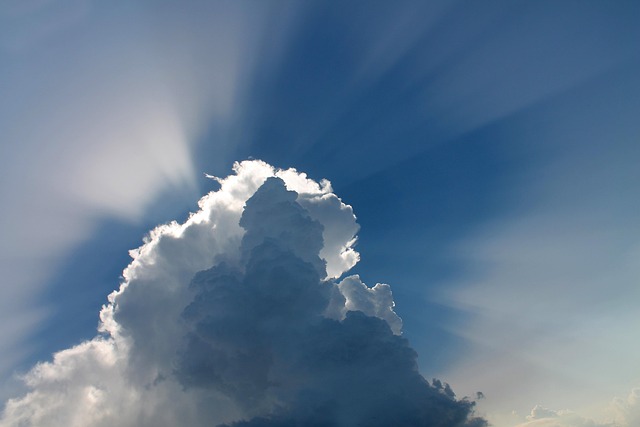
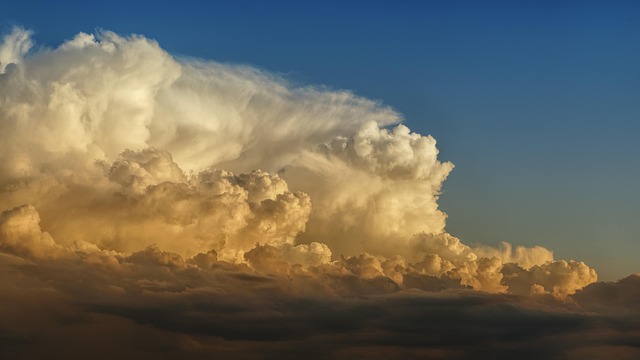
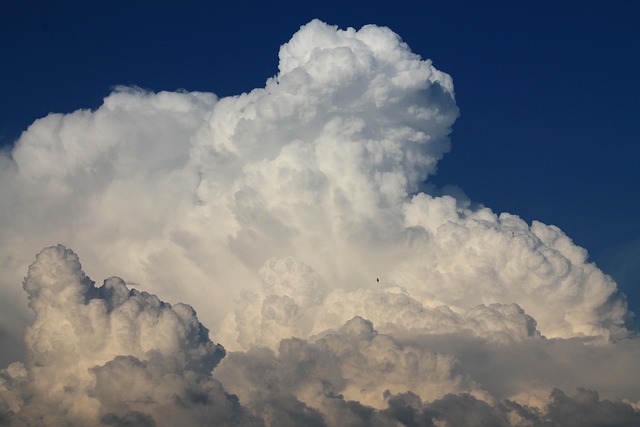
Several indicators suggest that an umbrella will be a practical companion for your outdoor activities tomorrow. Dark, cloud-filled skies are a classic sign of potential rain, especially if accompanied by a chill in the air or a change in barometric pressure, which often precedes storms. Additionally, if you’ve been enjoying outdoor events or planning strenuous hikes, keep an eye on sudden changes in weather patterns. The atmosphere can be unpredictable, and even brief showers can disrupt your plans, so staying informed is essential. For instance, data from the National Weather Service (NWS) shows that accurate precipitation forecasts have improved significantly over the years, allowing people to make more informed decisions for outdoor engagements.
Before heading out, take a moment to check the latest weather forecast and consider giving us a call at weather-related travel tips if you need assistance. By being prepared with an umbrella or other rain gear, you can continue enjoying your day’s activities even amidst stormy weather. Remember that nature’s symphony can change abruptly, so staying adaptable is vital. Whether it’s a quick stroll in the park or a full day of adventures, being ready for unexpected changes ensures you don’t let a little rain dampen your spirits—or your outdoor plans!
Navigating Your Umbrellal Needs: A Practical Guide

Navigating your umbrella needs for tomorrow requires a practical understanding of weather patterns, atmospheric pressure, local climate zones, and recent meteo technology advancements. The decision to carry an umbrella isn’t just about spotting raindrops; it’s a nuanced calculation based on these factors. For instance, in coastal areas, atmospheric pressure changes rapidly, leading to sudden showers that might not be forecast accurately by traditional methods. Conversely, inland regions often experience varying local climate zones, with elevations affecting temperature and precipitation patterns.
Modern meteo technology, including sophisticated computer models and weather drones, has significantly enhanced our ability to predict these phenomena precisely. However, even with these advancements, microclimates within cities can create localized weather conditions, making it crucial to stay informed. Consider that a sudden cloudburst in a downtown area might not be reflected in the broader forecast due to its local nature. Therefore, consulting real-time meteorological data through reliable apps or local weather services is advisable.
Ultimately, deciding when to wear an umbrella tomorrow means balancing these factors. If you’re unsure, erring on the side of caution is recommended. Given that rain can be unpredictable, especially in transitional seasons, packing an umbrella could spare you from unexpected dampness. Remember, staying dry isn’t just about convenience; it can also prevent health issues associated with prolonged exposure to wet conditions. So, give us a call at Evaporation and Transpiration for expert advice tailored to your specific location if you need further guidance on navigating your umbrellal needs tomorrow.
By understanding tomorrow’s weather patterns and recognizing signs of impending rain, you can make informed decisions about when to deploy your umbrella. The key insights from this article equip you with the knowledge to navigate your umbrelly needs effectively. When cloud cover thickens or drizzle starts to fall, it’s time to grasp its handle and stay dry. Embracing these practical guidelines ensures you’re prepared for whatever weather tomorrow naturally brings.
About the Author